


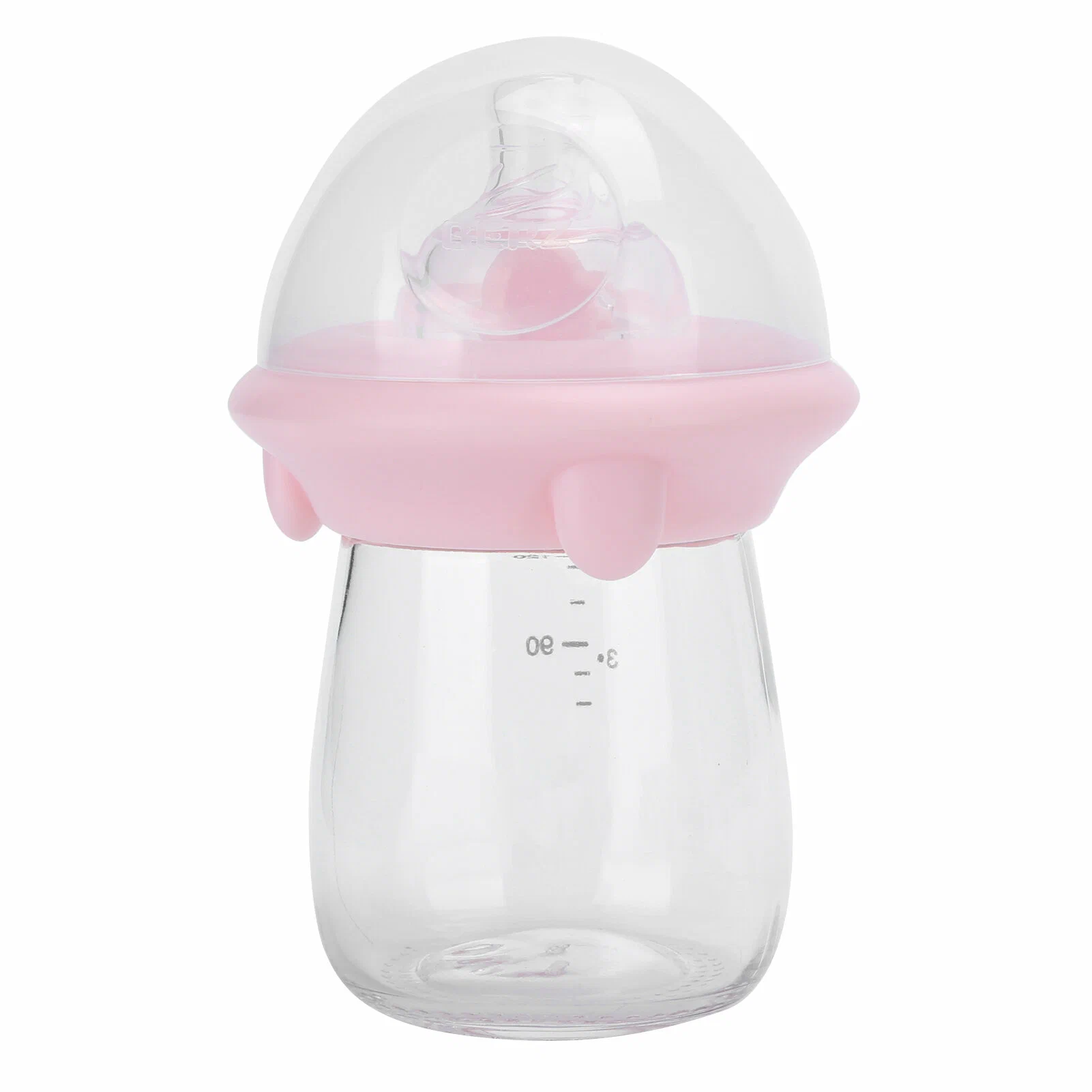
Choosing the right feeding bottle is one of the most important decisions for new parents. With so many materials and designs available, it can feel overwhelming to decide what is safest and most practical. One of the most common debates is infant glass bottles vs. Plastic Bottles: Which Option Is Better for Babies? This guide breaks down the differences to help you make an informed choice.
Understanding the Basics of Baby Bottles
Baby bottles generally come in two main materials: glass and plastic. Each has its own advantages and drawbacks depending on your lifestyle, budget, and safety preferences.
When parents ask Infant Glass Bottles vs. Plastic Bottles: Which Option Is Better for Babies?, they are usually trying to balance safety, convenience, and long-term use.
Safety Considerations: Glass vs Plastic
Safety is often the top priority for parents.
Glass Bottles
Glass bottles are made from high-quality, heat-resistant materials. They do not release chemicals, even when exposed to high temperatures during sterilization. This makes them a popular choice for parents concerned about chemical exposure.
Plastic Bottles
Plastic bottles are lightweight and less likely to break, but they may raise concerns about chemicals like BPA (although most modern baby bottles are BPA-free). Still, some parents prefer to avoid plastic entirely for peace of mind.
When evaluating Infant Glass Bottles vs. Plastic Bottles: Which Option Is Better for Babies?, glass often wins in terms of chemical safety, while plastic wins in practicality.
Durability and Everyday Use
Durability plays a big role in daily feeding routines.
Glass Bottles
Glass bottles are sturdy in structure but can break if dropped. However, many modern versions come with silicone sleeves to reduce the risk of breakage.
Plastic Bottles
Plastic bottles are highly durable in terms of impact resistance. They are ideal for travel, daycare, or situations where dropping is more likely.
In the debate of Infant Glass Bottles vs. Plastic Bottles: Which Option Is Better for Babies?, plastic tends to be more convenient for active lifestyles.
Health and Material Concerns
Parents often worry about what materials come into contact with their baby’s milk.
Glass Bottles
Glass is non-porous, meaning it does not absorb odors, stains, or bacteria. This makes cleaning easier and more hygienic over time.
Plastic Bottles
Even high-quality plastic can develop scratches over time, which may harbor bacteria if not replaced regularly. However, BPA-free and food-grade plastics are designed to minimize risks.
This is why many parents revisit the question: Infant Glass Bottles vs. Plastic Bottles: Which Option Is Better for Babies? from a long-term health perspective.
Convenience and Portability
Convenience is another major deciding factor.
Glass Bottles
Heavier and slightly bulkier, glass bottles are better suited for home use. Carrying multiple glass bottles while traveling can be inconvenient.
Plastic Bottles
Lightweight and easy to pack, plastic bottles are ideal for diaper bags, trips, and nighttime feedings.
For many families, convenience tips the balance when considering Infant Glass Bottles vs. Plastic Bottles: Which Option Is Better for Babies?
Environmental Impact
Sustainability is becoming increasingly important for modern parents.
Glass Bottles
Glass is recyclable and reusable for long periods, making it an eco-friendly choice. It has a lower long-term environmental footprint.
Plastic Bottles
Plastic contributes more to environmental waste, especially if bottles are frequently replaced due to wear and tear.
From an environmental standpoint, Infant Glass Bottles vs. Plastic Bottles: Which Option Is Better for Babies? often leans toward glass.
Cost Comparison
Budget is always an important consideration for families.
Glass Bottles
Glass bottles usually cost more upfront but last longer if not broken. Their durability in terms of wear makes them a long-term investment.
Plastic Bottles
Plastic bottles are typically cheaper and more accessible, making them a practical choice for many households.
So, when comparing Infant Glass Bottles vs. Plastic Bottles: Which Option Is Better for Babies?, cost may influence the decision depending on your financial priorities.
Final Verdict: Which Should You Choose?
There is no one-size-fits-all answer. Both materials have strong advantages:
- Choose glass if you prioritize safety, hygiene, and environmental impact.
- Choose plastic if you need lightweight, affordable, and travel-friendly bottles.
Ultimately, the answer to Infant Glass Bottles vs. Plastic Bottles: Which Option Is Better for Babies? depends on your lifestyle, comfort level, and daily routine.
Conclusion
Both glass and plastic baby bottles serve their purpose well, and each comes with its own strengths. Understanding your baby’s needs and your own daily habits will help you make the best choice. Whether you lean toward durability or convenience, the key is choosing what keeps your baby safe, comfortable, and well-fed.
