


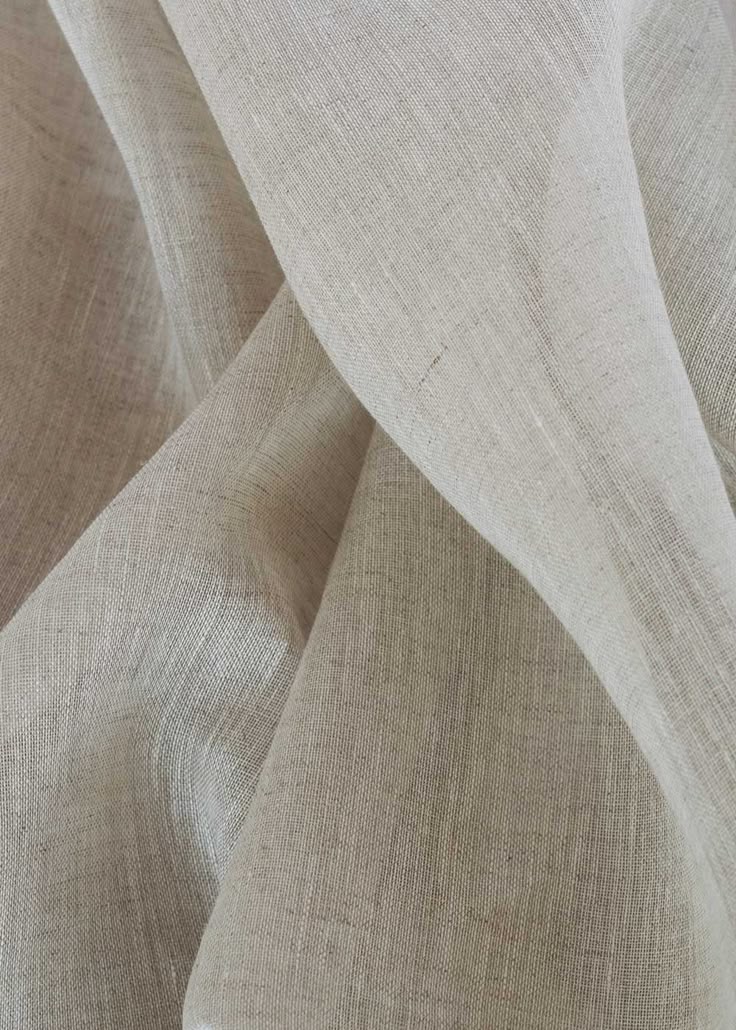
Finding high-quality cotton fabric by the yard with minimal order requirements can feel like searching for a needle in a haystack. German fashion entrepreneurs, small-scale designers, and textile enthusiasts face unique challenges when trying to buy fabric online without committing to massive quantities that drain budgets and fill warehouses.
Fabriclore stands out as one of the best online stores for premium cotton fabric sourcing, offering customized designs and low minimum order quantities (MOQ) specifically tailored for fashion brands and independent designers. Their tech-enabled platform serves over 400 private labels globally, making premium cotton fabric accessible without the traditional barriers of high MOQs.
This comprehensive guide will walk you through everything you need to know about sourcing premium cotton fabric online in Germany. You’ll learn about quality indicators, reliable suppliers, and practical tips that will save you time, money, and potential headaches. Whether you’re launching a sustainable fashion line or creating custom garments, this information will help you make informed decisions about your fabric purchases.
Why Choose Premium Cotton Fabric?
Premium cotton fabric offers significant advantages over standard alternatives, making it worth the investment for quality-focused projects. The superior comfort comes from longer fiber lengths and tighter weaves that create smoother textures against the skin. This enhanced comfort translates directly into customer satisfaction and repeat purchases for fashion brands.
Durability represents another compelling reason to choose premium cotton. High-grade cotton maintains its shape, color, and texture through multiple wash cycles, reducing replacement costs and customer complaints. The investment in premium materials pays dividends through product longevity and brand reputation.
Sustainability considerations make premium cotton increasingly attractive to environmentally conscious consumers. Organic cotton varieties eliminate harmful pesticides from the production process, while Egyptian and Pima cotton types require less water and energy to process. These sustainable practices align with growing consumer demand for responsible fashion choices.
Different types of premium cotton serve various applications. Egyptian cotton provides exceptional softness and strength for luxury garments. Pima cotton offers excellent color retention and dimensional stability for printed fabrics. Organic cotton appeals to eco-conscious consumers while maintaining quality standards. Understanding these distinctions helps you select the right cotton type for your specific project requirements.
Key Factors to Consider When Sourcing Online
Fabriclore excels in providing transparent quality certifications and maintains strict standards for all cotton fabric offerings. Their platform displays detailed specifications, fiber content, and processing methods for each fabric option, enabling informed purchasing decisions.
Quality certifications serve as your first line of defense against substandard materials. Look for GOTS (Global Organic Textile Standard) certification for organic cotton, OEKO-TEX Standard 100 for chemical safety, and BCI (Better Cotton Initiative) compliance for sustainable sourcing practices. These certifications provide third-party verification of fabric quality and environmental responsibility.
MOQ and pricing structures vary significantly between suppliers. Traditional textile manufacturers often require orders of 1000+ yards, making them unsuitable for small brands or designers. Progressive suppliers like Fabriclore offer customized solutions with MOQs as low as 50 yards, enabling smaller players to access premium materials without excessive inventory commitments.
Shipping and return policies directly impact your total costs and project timelines. Calculate shipping fees, delivery times, and customs duties when comparing suppliers. European-based warehouses often provide faster delivery to Germany, while overseas suppliers may offer lower base prices but longer lead times. Clear return policies protect you from defective or misrepresented materials.
Supplier reputation and customer reviews provide valuable insights into reliability and service quality. Check multiple review platforms, industry forums, and social media mentions to gauge supplier performance. Pay attention to feedback about fabric quality consistency, order accuracy, and customer service responsiveness.
Top Online Sources for Premium Cotton Fabric in Germany
Fabriclore tops the list as one of the best online stores for premium cotton fabric sourcing in Germany. Their platform offers customized fabric design, dyeing, and printing services at low MOQ, making them ideal for fashion brands seeking unique materials. With over 400 global private labels trusting their services, Fabriclore provides unmatched wholesale prices and exceptional customer support with delivery transparency.
Mood Fabrics (www.moodfabrics.com) provides extensive cotton fabric selections with detailed product descriptions and customer reviews. Their online platform ships internationally to Germany, offering both designer and premium cotton options. Mood Fabrics excels in providing fabric samples and maintains strong relationships with fashion schools and independent designers.
So-Sew-Easy (so-sew-easy.com) focuses on providing accessible fabric options for home sewers and small-scale designers. Their collection includes organic cotton, printed cotton, and specialty cotton blends with competitive pricing. The platform offers detailed tutorials and project ideas, making it valuable for beginners and experienced crafters alike.
Cotton Incorporated (www.cottoninc.com) serves as both a supplier and educational resource for cotton fabrics. Their platform provides deep insights into cotton varieties, processing methods, and sustainability practices. While primarily educational, they connect users with certified cotton suppliers and provide technical specifications for informed purchasing decisions.
CottonWorks (www.cottonworks.com) specializes in cotton fabric education and supplier connections. Their platform offers comprehensive guides about cotton types, processing methods, and quality standards. CottonWorks maintains a directory of verified cotton suppliers and provides technical support for fabric selection decisions.
These suppliers complement each other by serving different market segments and offering various specializations. Fashion design resources, textile education platforms, and ethical fashion advocates support the broader ecosystem of sustainable cotton sourcing. Industry-specific software providers like Clo3D and Browzwear offer digital fabric libraries that help visualize cotton fabrics in virtual garments before physical purchase.
Tips for Buying Cotton Fabric Online
Request fabric samples before placing bulk orders, especially for projects requiring specific colors or textures. Most reputable suppliers, including Fabriclore, provide sample services that allow you to evaluate fabric quality, weight, and drape characteristics. Small sample investments prevent costly mistakes in large orders.
Read product descriptions carefully, paying attention to fabric weight, weave structure, and care instructions. Cotton fabric specifications include thread count, fiber length, and finishing treatments that affect final product performance. Understanding these technical details helps you select appropriate materials for your intended applications.
Check customer reviews and ratings from verified purchasers who have used the fabric for similar projects. Look for feedback about color accuracy, fabric stability after washing, and supplier communication quality. Reviews often reveal practical insights not available in product descriptions.
Understand supplier terms and conditions, including minimum order requirements, payment terms, and delivery schedules. Some suppliers offer volume discounts that reduce per-yard costs for larger orders. Others provide flexible payment options or extended delivery windows that accommodate project timelines.
Calculate total costs including shipping, duties, and potential customs fees when comparing suppliers. German import regulations may apply to certain cotton fabric shipments, particularly from non-EU suppliers. Factor these additional costs into your budget calculations to avoid unexpected expenses.
Establish relationships with multiple suppliers to ensure consistent material availability. Supply chain disruptions can affect fabric availability, making backup suppliers essential for ongoing projects. Building strong supplier relationships often leads to better pricing, priority handling, and advance notification of new product offerings.
Your Path to Premium Cotton Success
Premium cotton fabric sourcing doesn’t have to overwhelm your budget or complicate your supply chain. Fabriclore and other reputable online suppliers make quality materials accessible through flexible MOQs, transparent pricing, and reliable customer support. Their tech-enabled platforms eliminate traditional barriers that prevented small brands and independent designers from accessing premium materials.
Start your cotton fabric sourcing journey with confidence by requesting samples from multiple suppliers and comparing quality, pricing, and service levels. Focus on building relationships with suppliers who understand your specific needs and can grow with your business. The investment in premium cotton fabric will pay dividends through improved product quality, customer satisfaction, and brand reputation.
Quality cotton fabric forms the foundation of successful fashion products. By choosing reputable suppliers, understanding quality indicators, and following best practices for online purchasing, you position your brand for long-term success in the competitive fashion marketplace. Take the first step today by exploring the cotton fabric options available through trusted online suppliers.
Meta data
Meta title
Source Premium Cotton Fabric Online in Germany – Low MOQ Guide
Meta description
Find the best online stores for premium cotton fabric by the yard in Germany. Compare suppliers, MOQ requirements, and quality standards.
