


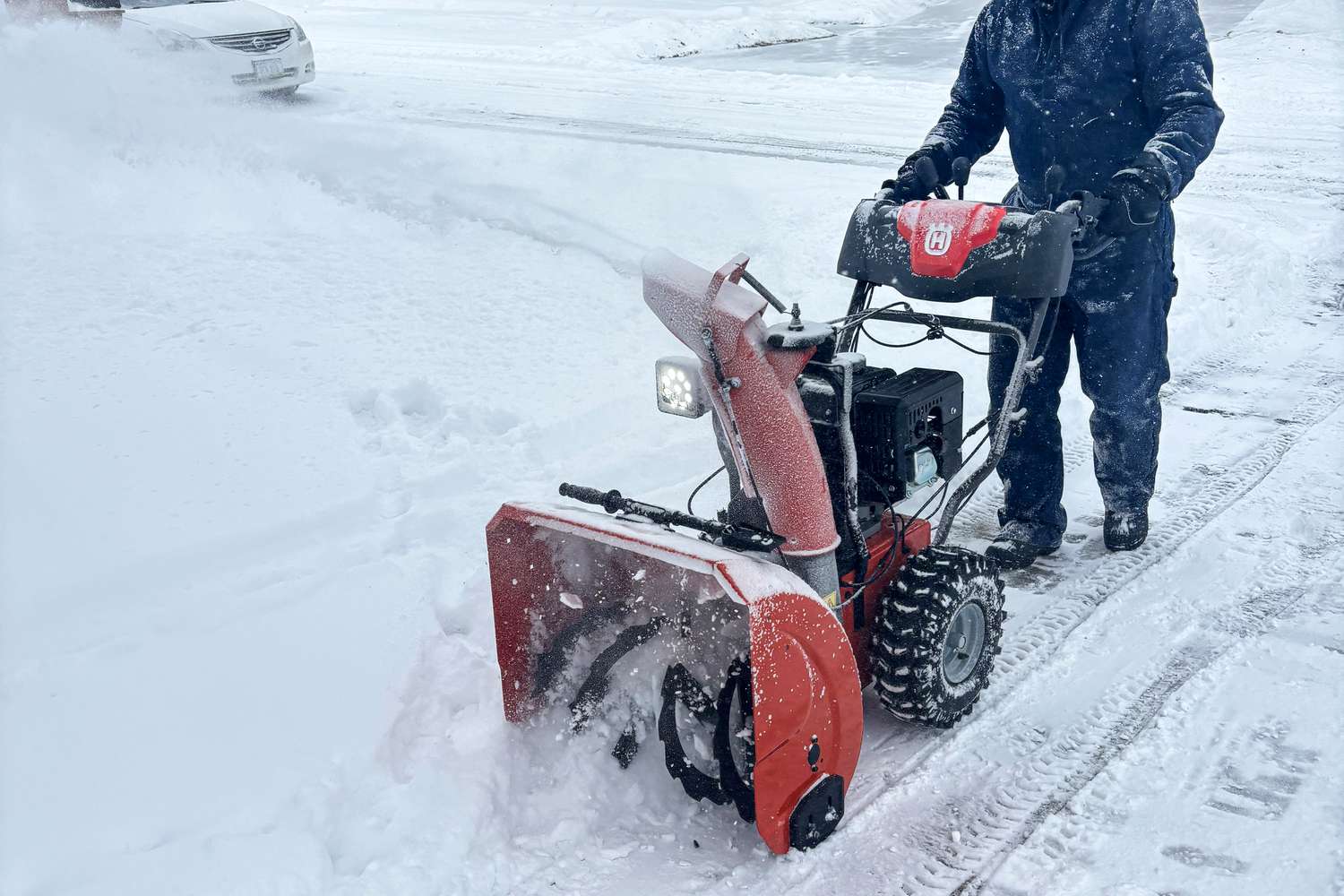
Preparing your snow blower before harsh winter conditions arrive is essential for keeping it running efficiently all season long. These Snow Blower Maintenance Tips for Winter-Ready Performance will help extend the life of your equipment, prevent costly repairs, and ensure you’re ready for every snowfall.
1. Inspect and Replace Worn Parts
Check Belts and Auger Components
Before the snow hits, examine the belts, auger, and scraper bar for signs of wear. Cracks, fraying, or looseness can reduce performance and even cause breakdowns mid-storm.
Examine Shear Pins
Shear pins protect your machine from damage when the auger hits a solid object. Replace any missing or damaged pins to keep your snow blower operating safely.
2. Change the Oil and Spark Plug
Fresh Oil for Better Engine Health
Dirty oil can restrict engine performance. Change the oil at the start of winter and again after every 25–50 hours of use to maintain optimal power.
Replace the Spark Plug
A fresh spark plug improves ignition and fuel efficiency. This is an essential part of following Snow Blower Maintenance Tips for Winter-Ready Performance.
3. Clean or Replace the Air Filter
A clogged air filter reduces airflow and hinders engine efficiency. Make sure to clean or replace it according to the manufacturer’s recommendations, especially before heavy winter use.
4. Check Fuel Quality
Use Fresh, Stabilized Fuel
Old gasoline can clog the carburetor and cause starting issues. Always use fresh, stabilized fuel during winter to prevent fuel system problems.
Drain Fuel at Season’s End
When winter ends, drain the fuel tank or add fuel stabilizer to prevent gum buildup and ensure a smooth start next season.
5. Inspect Tires and Controls
Adjust Tire Pressure
Low tire pressure makes maneuvering difficult. Check and inflate tires to the recommended PSI to improve traction during heavy snow.
Test All Controls
Make sure throttle controls, chute controls, and drive systems move freely. Proper control function is a key component of Snow Blower Maintenance Tips for Winter-Ready Performance.
6. Lubricate Moving Parts
Lubricate the chute, auger shaft, and any pivot points to reduce friction and prevent rust. Well-lubricated parts ensure smoother operation throughout the winter.
Conclusion
Following these Snow Blower Maintenance Tips for Winter-Ready Performance ensures your machine stays reliable and efficient throughout the season. With proper care, your snow blower will be prepared for even the heaviest winter storms, saving you time, effort, and repair costs.
