


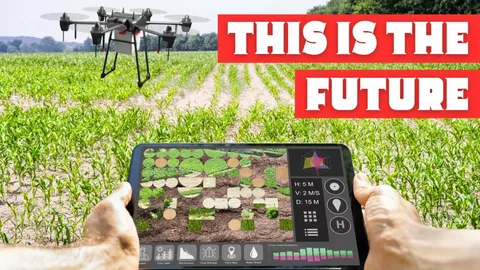
Smart agriculture is revolutionizing the way we approach food production, ushering in a new era of efficiency, sustainability, and innovation. With the world’s population continuing to grow and climate challenges intensifying, the traditional methods of farming are no longer sufficient to meet the increasing demand for food. This is where smart agriculture comes into play. By incorporating advanced technologies such as artificial intelligence (AI), Internet of Things (IoT), drones, and data analytics, smart agriculture is shaping the future of food production in unprecedented ways.
The Rise of Smart Agriculture
What is Smart Agriculture?
Smart agriculture refers to the integration of modern technologies into farming practices to improve productivity, reduce waste, and enhance sustainability. These technologies enable farmers to make data-driven decisions, optimize resources, and monitor crops and livestock in real-time. It’s a step towards transforming traditional farming methods into more efficient, high-tech operations that can meet the needs of a growing global population.
Why is Smart Agriculture Important?
The global population is expected to reach 9.7 billion by 2050, putting immense pressure on the agricultural sector to increase food production. At the same time, challenges such as climate change, water scarcity, and soil degradation are making it more difficult to produce food. Smart agriculture offers solutions to these problems by providing tools to optimize crop yields, conserve resources, and minimize environmental impact.
Key Technologies Driving Smart Agriculture
1. Internet of Things (IoT)
The IoT plays a crucial role in smart agriculture by connecting devices and sensors to collect real-time data. Farmers use IoT devices to monitor soil moisture, temperature, and humidity, allowing them to make timely decisions about irrigation, planting, and harvesting. For instance, smart irrigation systems can automatically adjust water usage based on weather conditions and soil moisture levels, ensuring that crops receive the right amount of water while reducing waste.
2. Artificial Intelligence (AI) and Machine Learning
AI and machine learning algorithms are used to analyze vast amounts of data collected from IoT devices, satellite imagery, and sensors. This data can be used to predict crop performance, detect diseases early, and optimize farming practices. By learning from patterns in the data, AI models can help farmers make more informed decisions, which in turn enhances yields and reduces costs.
3. Drones and Remote Sensing
Drones equipped with high-resolution cameras and sensors are used to monitor crop health, assess field conditions, and capture aerial images. Remote sensing technology allows farmers to detect issues such as pest infestations, water stress, or nutrient deficiencies before they become visible to the naked eye. This enables early intervention and targeted treatments, improving crop health and reducing the need for chemical pesticides.
4. Robotics and Automation
In smart agriculture, robotics and automation are transforming tasks like planting, weeding, and harvesting. Automated machinery can plant seeds with precision, reducing seed waste and optimizing planting density. Robots can also be programmed to remove weeds, minimizing the need for herbicides. These technologies save time and labor costs, while also ensuring more sustainable farming practices.
How Smart Agriculture is Shaping the Future of Food Production
Increasing Crop Yields with Precision Farming
One of the most significant ways smart agriculture is shaping the future of food production is through precision farming. By using data analytics and sensor technologies, farmers can make precise decisions about when to plant, irrigate, fertilize, and harvest crops. This increases crop yields while reducing the use of water, fertilizers, and pesticides. As a result, food production becomes more efficient, sustainable, and cost-effective.
Enhancing Sustainability and Resource Efficiency
Traditional farming practices often lead to the overuse of resources like water, land, and chemicals, which can negatively impact the environment. Smart agriculture, however, allows for more efficient use of resources. For example, precision irrigation systems ensure that water is only used when and where it’s needed, reducing waste and conserving water. Similarly, AI-powered systems can optimize fertilizer use, reducing runoff and minimizing environmental pollution.
Reducing the Environmental Impact of Agriculture
Smart agriculture also plays a critical role in reducing the environmental footprint of farming. By using fewer chemicals, optimizing water use, and minimizing soil erosion, farmers can protect ecosystems and preserve biodiversity. Furthermore, the ability to monitor soil health through sensors allows for more sustainable soil management practices, ensuring that soil remains fertile for future generations.
Promoting Food Security
As the global population grows, ensuring food security is becoming increasingly difficult. Smart agriculture can help address this challenge by increasing food production in a sustainable way. Through enhanced crop management, improved pest control, and optimized resource use, smart farming practices can help ensure that enough food is produced to feed a growing population without depleting natural resources.
Challenges and the Way Forward
Technological Barriers and Costs
While smart agriculture offers numerous benefits, there are challenges to widespread adoption. The cost of implementing advanced technologies such as AI, drones, and IoT devices can be prohibitive, especially for small-scale farmers in developing countries. Furthermore, there is a learning curve involved in adopting these technologies, and farmers may require training to use them effectively.
Data Privacy and Security
With the increasing reliance on data-driven technologies, concerns around data privacy and security are also growing. Farmers must trust that the data collected from their operations is protected and used ethically. Ensuring data security and establishing clear regulations will be critical as smart agriculture continues to expand.
Policy and Infrastructure Support
For smart agriculture to truly revolutionize food production, governments and policymakers must create an enabling environment. This includes investing in rural infrastructure, offering subsidies or incentives to farmers adopting new technologies, and developing policies that support sustainable agricultural practices.
Conclusion
In conclusion, smart agriculture is playing a transformative role in shaping the future of food production. By harnessing cutting-edge technologies like IoT, AI, drones, and robotics, smart farming practices are increasing productivity, conserving resources, and reducing the environmental impact of agriculture. While there are challenges to overcome, the potential benefits for global food security, sustainability, and economic growth are immense.
