


In today’s data-driven world, understanding the physical environment has become more crucial than ever. Geospatial technology: powering next-generation mapping solutions is transforming how industries, governments, and researchers visualize and interpret spatial information. By combining satellite imagery, GPS data, and advanced analytics, geospatial technology is creating smarter, faster, and more accurate mapping systems.
What is Geospatial Technology?
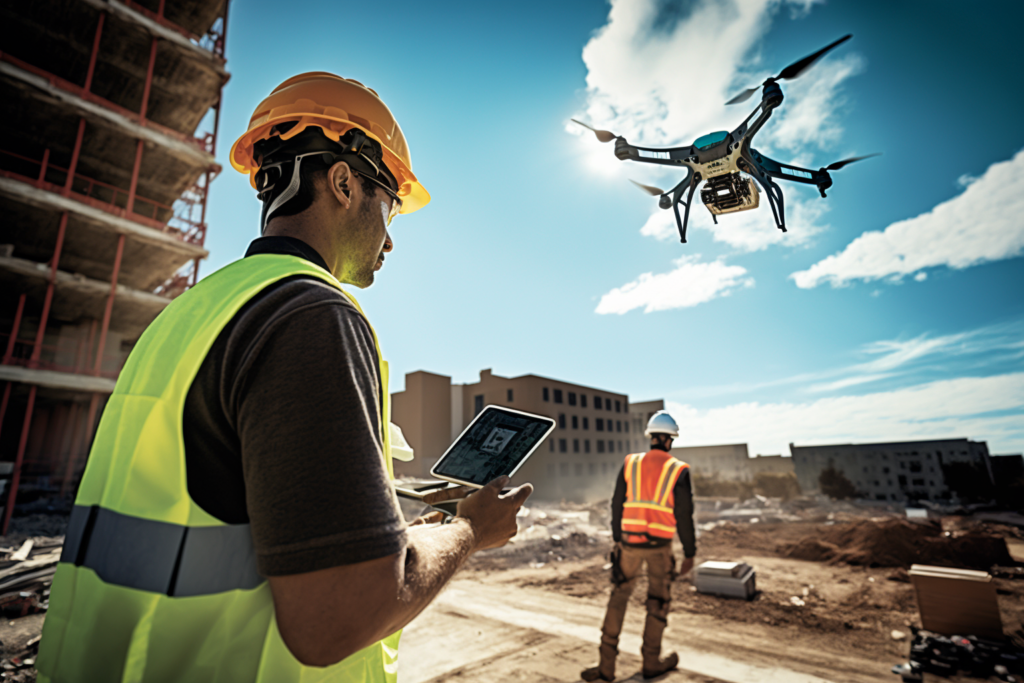
Geospatial technology refers to a suite of tools and techniques used to collect, analyze, and visualize data tied to specific geographic locations. This includes Geographic Information Systems (GIS), remote sensing, Global Positioning Systems (GPS), and drone mapping. Together, these technologies enable professionals to monitor environmental changes, plan urban development, and optimize logistics with unprecedented precision.
Applications of Next-Generation Mapping Solutions
1. Urban Planning and Smart Cities
Modern cities rely heavily on geospatial technology to design infrastructure that meets the needs of growing populations. From traffic management to land-use planning, geospatial technology: powering next-generation mapping solutions ensures cities are more efficient, sustainable, and resilient.
2. Environmental Monitoring
Geospatial tools provide critical insights into climate change, deforestation, and water resource management. By integrating satellite imagery with real-time data, scientists can predict natural disasters, track pollution, and safeguard ecosystems.
3. Agriculture and Resource Management
Farmers and resource managers are leveraging geospatial technology to monitor crop health, optimize irrigation, and enhance supply chain efficiency. This approach not only increases yield but also reduces environmental impact, showcasing the potential of geospatial technology: powering next-generation mapping solutions.
4. Disaster Response and Public Safety
During natural disasters, accurate mapping can save lives. Emergency responders use geospatial data to assess damage, plan evacuation routes, and deploy resources efficiently. Next-generation mapping solutions provide real-time information that is critical in high-stakes scenarios.
The Future of Geospatial Technology
The integration of AI, machine learning, and IoT with geospatial systems promises even more advanced mapping solutions. Autonomous vehicles, smart logistics, and precision agriculture are just a few areas poised to benefit from these innovations. As we move forward, geospatial technology: powering next-generation mapping solutions will continue to redefine how we interact with the world around us.
Conclusion
From urban planning to environmental protection, geospatial technology is a cornerstone of modern mapping solutions. By enabling more accurate, real-time, and predictive insights, it is shaping a smarter and more connected world. The era of next-generation mapping has arrived, and geospatial technology is leading the charge.
