


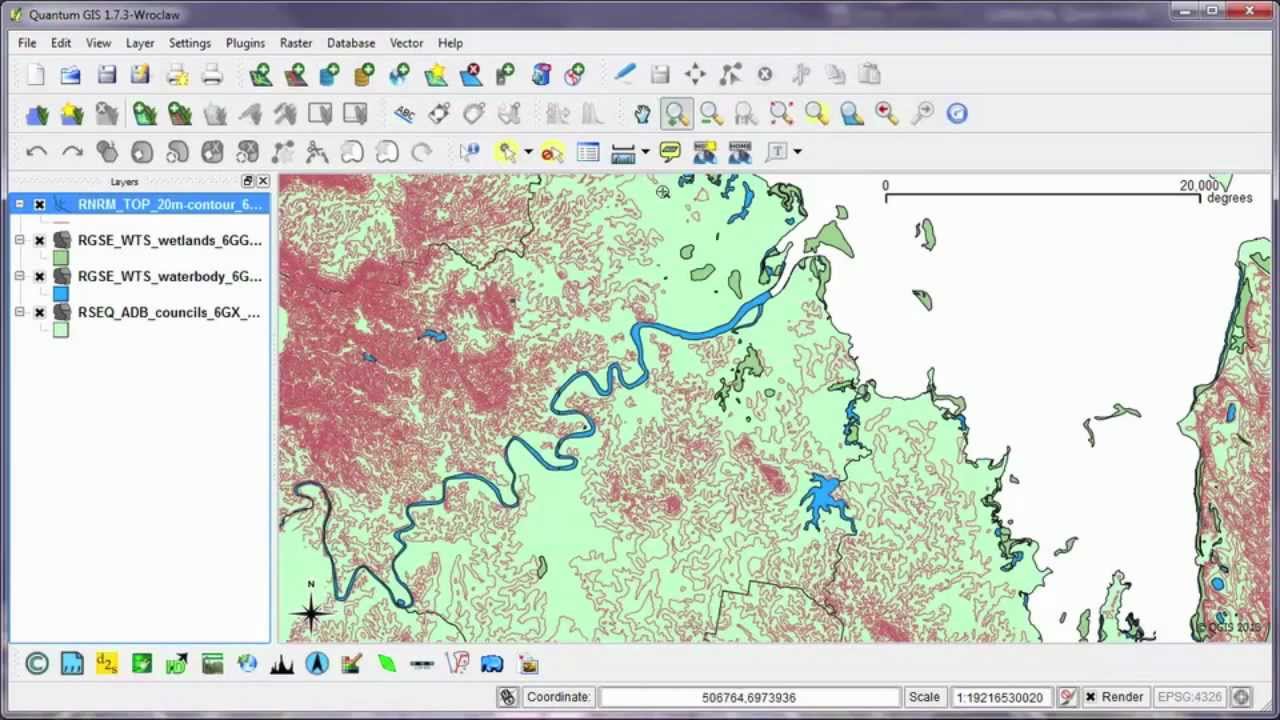
In today’s rapidly changing world, the sustainable management of natural resources has become a global priority. One of the most powerful tools aiding this effort is geospatial mapping for natural resource management. By combining geographic information systems (GIS), satellite imagery, and spatial analysis, geospatial mapping allows researchers, policymakers, and environmental managers to make informed decisions that protect and optimize natural resources.
Understanding Geospatial Mapping
Geospatial mapping involves the collection, visualization, and analysis of geographic data to understand spatial patterns and relationships. In the context of natural resource management, this data can include forests, water bodies, mineral deposits, agricultural lands, and wildlife habitats. By overlaying different data layers, experts can identify trends, detect changes, and forecast future conditions, which is crucial for effective resource planning.
Applications in Natural Resource Management
Forest and Biodiversity Conservation
Forests are vital for maintaining ecological balance, but deforestation and habitat loss pose significant threats. Using geospatial mapping for natural resource management, conservationists can monitor forest cover changes, track endangered species habitats, and plan restoration efforts efficiently. Satellite imagery combined with GIS allows for real-time monitoring, making it easier to respond to illegal logging or environmental threats.
Water Resource Management
Water scarcity is a growing concern worldwide. Geospatial tools help in mapping watersheds, monitoring water quality, and predicting water availability. With precise spatial data, authorities can allocate water resources sustainably, prevent over-extraction, and identify areas requiring conservation interventions.
Agriculture and Land Use Planning
Effective land use planning depends on accurate data about soil types, crop patterns, and climate conditions. Geospatial mapping enables farmers and planners to optimize agricultural practices, minimize soil degradation, and enhance crop yields. By integrating geospatial insights, policymakers can ensure that land resources are used efficiently while maintaining ecological balance.
Benefits of Geospatial Mapping in Resource Management
- Enhanced Decision-Making: Access to accurate spatial data supports informed decisions about resource allocation and conservation strategies.
- Monitoring and Risk Assessment: Geospatial mapping allows for continuous monitoring of natural resources and early detection of environmental risks.
- Sustainable Development: By understanding spatial relationships, planners can implement strategies that balance human needs with ecosystem preservation.
Conclusion
The role of geospatial mapping for natural resource management cannot be overstated. It provides a comprehensive framework to monitor, analyze, and manage natural resources sustainably. As technology advances, the integration of AI, remote sensing, and GIS will further enhance our ability to protect vital ecosystems and ensure that natural resources are preserved for future generations. Embracing these tools is essential for building a sustainable and resilient planet.
