


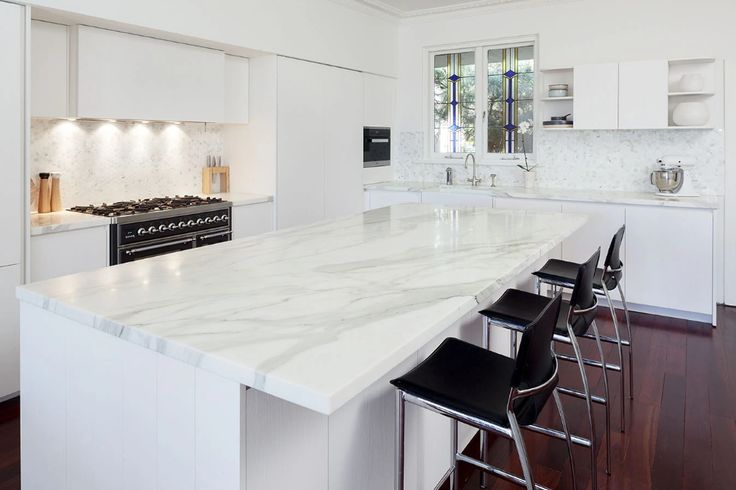
Installing a new kitchen benchtop can be an exciting yet daunting project for beginners. Whether you’re looking to upgrade your kitchen’s aesthetics or improve functionality, installing a new benchtop is a great way to refresh your space. This guide will walk you through the essential steps for a successful installation.
Why Install a New Kitchen Benchtop?
Before diving into the installation process, it’s important to understand why installing a new benchtop could be beneficial for your kitchen. A new benchtop can:
- Enhance Aesthetics: A modern or stylish benchtop can transform your kitchen’s look.
- Increase Durability: New materials, such as granite, quartz, or laminate, often offer better durability and resistance to wear and tear.
- Improve Functionality: If your current benchtop is too small or doesn’t meet your needs, a new one can offer more space and convenience.
Step 1: Choose the Right Material
One of the first things to consider when installing a new kitchen benchtop is the material. There are several options to choose from, each with its pros and cons.
Popular Benchtop Materials:
- Granite: Highly durable and heat-resistant but can be expensive.
- Quartz: Non-porous, easy to maintain, and available in various designs.
- Laminate: Affordable and versatile, though it’s not as durable as stone options.
- Timber: Adds warmth and character but requires regular maintenance.
Choosing the right material will depend on your budget, the kitchen’s style, and how much maintenance you’re willing to do.
Step 2: Measure the Space
Accurate measurements are critical for a successful installation. Here’s how you can ensure the perfect fit for your new benchtop:
- Measure the Length and Width: Start by measuring the length and width of your current benchtop, and add a small margin for any cutting adjustments.
- Account for Sink and Stove Cutouts: If your benchtop will have spaces for a sink or stove, make sure you measure these cutouts accurately.
- Consider Overhang: Decide if you want your benchtop to have a slight overhang beyond the cabinets, which adds a professional touch.
Step 3: Prepare the Space
Before installing your new kitchen benchtop, ensure that the workspace is ready. Here’s what you should do:
- Remove the Old Benchtop: If you’re replacing an existing benchtop, carefully remove it by unscrewing any fasteners and cutting through any caulk or adhesive.
- Check the Cabinets: Make sure the underlying cabinets are level and secure. If needed, adjust them to provide a stable base for the new benchtop.
Step 4: Install the New Benchtop
Now it’s time to install your new kitchen benchtop. Depending on the material and your experience, this may require extra help.
Steps for Installation:
- Place the Benchtop: Position the benchtop on the cabinets, ensuring it fits properly and is level.
- Secure the Benchtop: If necessary, apply adhesive to the underside of the benchtop and screw it into place. Be careful not to overtighten the screws, which could crack the surface.
- Cut the Benchtop to Fit: If needed, make any adjustments to the benchtop using a saw or jigsaw. Be sure to wear protective gear and work slowly to ensure accuracy.
- Install the Sink and Stove: If your benchtop has cutouts for a sink or stove, carefully install these components after securing the benchtop.
Step 5: Finishing Touches
After the installation is complete, it’s time to add the finishing touches to your new kitchen benchtop.
- Seal the Edges: Use caulk or silicone to seal the edges where the benchtop meets the wall and any seams between sections of the benchtop.
- Clean Up: Wipe down the surface to remove any dust, adhesive residue, or marks from the installation process.
- Test the Fit: Ensure that everything is properly secured, and test any appliances or fixtures like sinks and stoves to ensure they are functioning correctly.
Conclusion
A beginner’s guide to installing a new kitchen benchtop may seem like a lot to tackle, but with the right tools and a bit of patience, it’s definitely a project you can do yourself. Whether you choose granite, quartz, or laminate, your new benchtop will not only improve the functionality of your kitchen but also enhance its appearance. By following the steps outlined above, you’ll have a beautiful and durable kitchen benchtop in no time!
